
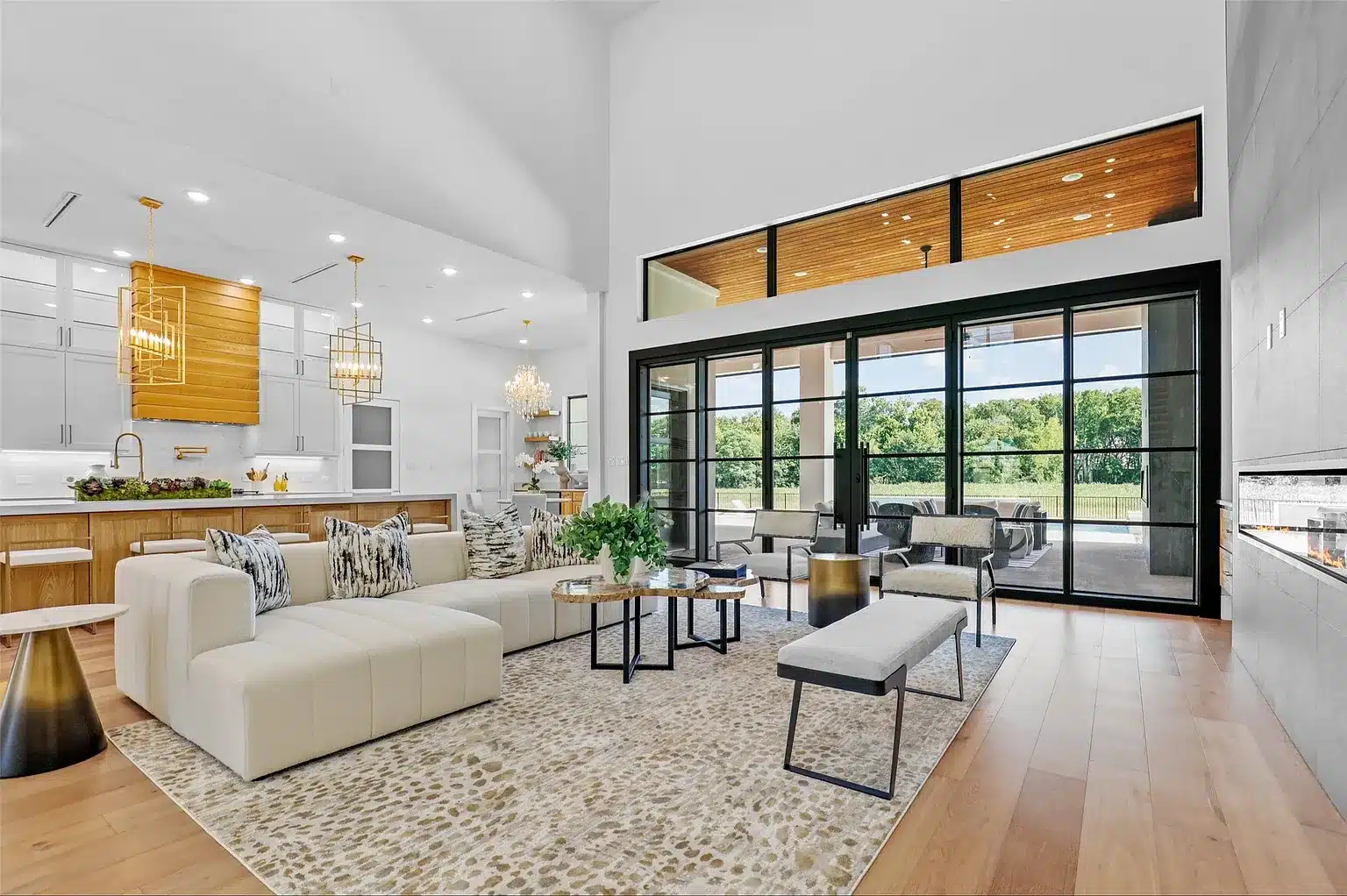
Smart home features luxury custom home planning begins long before the first wall goes up in a DFW new construction project. Homeowners who work with experienced luxury home builders dfw gain the chance to integrate structured wiring, whole-home Wi-Fi coverage, lighting control systems, motorized shades, security networks, and multi-zone climate controls while the framing and electrical rough-in stages are still open. These low-voltage elements become far more difficult and costly to add once drywall is installed.
Working through each decision early means the finished home supports current technology and future upgrades without visible wires or repeated drywall repairs. Early planning also aligns with local building practices in areas such as Lucas, TX and surrounding Collin County communities where larger lots often require extended cable runs and outdoor access points.
Structured Wiring as the Foundation
A dedicated low-voltage panel and Cat6 or Cat6A cabling to every room create the backbone for internet, video, audio, and security systems. Running these cables during framing allows clean drops behind every television location, home office desk, and bedroom nightstand. In a luxury custom build, builders also install RG6 coax for any legacy devices and fiber optic conduit from the exterior demarcation point to the structured media enclosure. This approach keeps network speeds consistent across multiple floors and prevents the signal loss that occurs with wireless extenders alone.
Home automation new construction projects benefit when the same structured wiring supports both data and future PoE lighting or camera systems. Clients often request two or three Ethernet runs to the main living areas and master suite so that wired backhaul remains available even as wireless standards evolve.
Wi-Fi Coverage Planning for Whole-Home Performance
Large DFW homes frequently exceed 4,000 square feet and include outdoor living spaces. Pre-wiring for ceiling-mounted access points in hallways, great rooms, and covered patios ensures reliable coverage without visible units on furniture. Placement diagrams created during the design phase account for metal ductwork, stone fireplaces, and thick insulation that can block signals. Many owners also request outdoor-rated access points near pools or patios so that smart irrigation controllers and landscape lighting remain connected.
A mesh system with wired backhaul between access points delivers the most stable performance. Ask your builder and low-voltage specialist to label every cable at both ends and test signal strength before insulation is added.
Lighting Control and Scene Automation
Lighting control systems such as Lutron RadioRA 3 or similar platforms allow keypads, dimmers, and occupancy sensors to replace standard switches. Rough-in requires a neutral wire at every switch box and dedicated low-voltage wiring from the lighting control processor to each keypad location. Planning these runs before drywall prevents surface-mounted conduits later. Homeowners can then create scenes that adjust interior and exterior lights together, integrate with motorized shades, and respond to time-of-day schedules suited to North Texas sunlight patterns.
Smart home custom build dfw clients often combine lighting control with whole-home audio so that a single keypad press lowers lights, closes shades, and starts music in the same room.
Security and Access Integration
Pre-wiring for door and window contacts, motion sensors, and video doorbells occurs during framing. A central security panel location near the structured media enclosure keeps all low-voltage connections tidy. Many luxury homes also include conduit runs to future gate operators and detached garages so that access control can be added without trenching after landscaping is complete. Integration with the lighting and shade systems lets the home automatically illuminate pathways when an alarm is triggered or a door is unlocked.
Motorized Shades and Climate Zoning
Motorized window treatments require both power and control wiring at each window. Planning shade pockets during architectural design keeps motors hidden and allows quiet operation. Climate zoning benefits from early placement of additional thermostats and damper actuators in the HVAC ductwork. Separate zones for upstairs bedrooms, home offices, and large open living areas reduce energy use while maintaining comfort during hot DFW summers.
Future-Proofing Strategies
Extra conduit from the attic to the structured media enclosure and from the garage to the main panel allows later addition of EV chargers, solar inverters, or backup battery systems. Owners also request empty Cat6A runs to potential home theater or gaming room locations so that high-bandwidth devices can connect directly without relying solely on Wi-Fi. These steps cost little during construction yet avoid expensive retrofits years later.
- Label every cable at both ends and create an as-built diagram for future service technicians.
- Install a larger structured media enclosure than currently needed to accommodate additional modules.
- Run outdoor-rated speaker wire and lighting control cable to patios and pool areas during initial grading.
- Choose systems that support open protocols so that individual components can be upgraded without replacing the entire network.
Coordination with Other Trades
Electricians, HVAC contractors, and low-voltage technicians must work from the same set of plans. A pre-drywall walkthrough confirms every smart home feature location before insulation covers the walls. This collaboration prevents conflicts between high-voltage and low-voltage boxes and ensures proper spacing for keypads and touch panels.
Learn more about the custom home process on our custom home builders in Fort Worth page or review completed projects in the Home Gallery.
FAQ
When should structured wiring be installed in a luxury custom home?
Structured wiring must be installed during the framing stage before insulation and drywall. This timing allows clean cable runs to every room and avoids surface-mounted raceways after the home is finished.
Can existing homes add smart home features without major renovation?
Some wireless devices can be added later, yet full integration of lighting control, motorized shades, and whole-home audio performs best when low-voltage wiring is planned during new construction. Retrofitting often requires cutting drywall and increases overall cost.
How many access points are typical for reliable Wi-Fi in a 5,000-square-foot DFW home?
Most homes of that size need four to six ceiling-mounted access points with wired backhaul, plus outdoor-rated units for patios and pools. Exact placement depends on floor plan and building materials.
Do smart home systems require ongoing subscriptions?
Many core functions such as lighting scenes, shade control, and local security recording operate without subscriptions. Cloud features for remote access or video storage may involve optional monthly fees depending on the chosen platform.
Is it possible to upgrade the smart home system after move-in?
Yes, provided extra conduit and larger enclosures were installed during construction. Adding new modules or replacing processors becomes a straightforward task when the backbone wiring already exists.
Contact Toscana DFW Home Builders to discuss smart home features luxury custom home options for your next project. Call (972) 406-8882 or visit the Contact page to schedule a consultation.